Skip to content

Table of Contents
If you’re running a public transport fleet, like city buses or transit shuttles, safety comes first. Certified speed limiters are devices that cap how fast your vehicles can go, and they’re a game-changer for keeping riders and drivers safe. Even though there’s no nationwide law forcing them in the US right now, many experts say fleets “must” use them to cut risks, save money, and follow best practices. In this article, we’ll break down why they’re so important, the benefits, current rules, types available, how to get started, and answers to common questions. We’ll keep it simple and straight to the point so you can decide what’s best for your operation.
Understanding Speed Limiters and Their Role in Public Transport
Speed limiters are tools that stop vehicles from going over a set speed. For public transport, like buses carrying lots of people, this means fewer chances for big accidents. They’re “certified” when they meet standards from groups like the FMCSA or NHTSA, ensuring they work right and can’t be easily tampered with.
Why “must” fleets use them? Speeding causes many crashes, and buses take longer to stop than cars. With certified limiters, you protect passengers, lower insurance costs, and even help the environment by using less fuel. Recent data shows that slowing down heavy vehicles can prevent crashes and save lives.
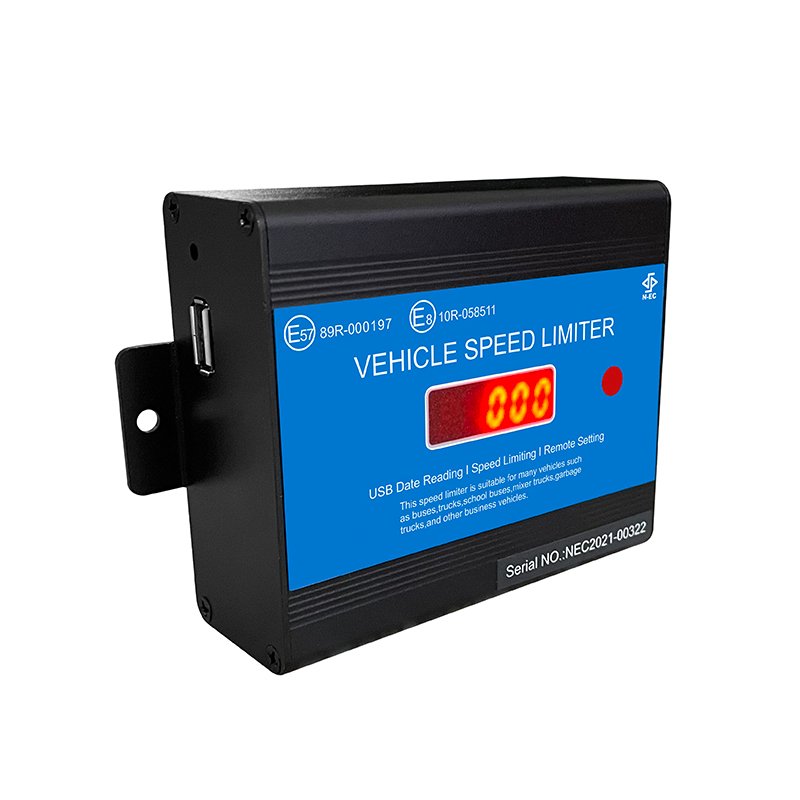
Here’s a look at a certified speed limiter device on a bus:

Current Regulations on Speed Limiters for Public Transport in 2026
As of December 2025, there’s no federal rule in the US that requires speed limiters on all public transport vehicles. The FMCSA and NHTSA pulled back a proposed rule in July 2025 that would have mandated them for heavy trucks and buses over 26,000 pounds. This decision came after debates, with some groups pushing for safety and others worried about costs
But that doesn’t mean you can ignore them. Some states have their own rules, and bills like the DRIVE Act aim to block federal mandates but encourage voluntary use. In places like Europe, intelligent speed systems are required on new vehicles since 2024. For US fleets, using certified ones helps meet EPA emission standards and can qualify for grants or lower fines if accidents happen. Check your local transport authority—many cities push for them in public fleets to boost safety ratings.
Key Benefits of Certified Speed Limiters for Your Fleet
Using certified speed limiters isn’t just about rules; it’s about real wins for your daily operations. Here’s what you gain:

- Improved Safety: They cut speeding, which lengthens stopping distances and raises crash risks. Studies show limiters can reduce accident severity and save lives in heavy vehicles like buses.
- Fuel and Cost Savings: Slower speeds mean better gas mileage—up to 3-5% less fuel used. For a big fleet, that’s thousands saved each year, plus less wear on brakes and tires.
- Lower Emissions: By controlling speeds, you help meet green goals and reduce pollution, which is key for public transport in cities.
- Better Driver Habits: Certified devices often include tracking, so you can coach drivers and cut risky behavior.
- Insurance Perks: Many insurers give discounts for fleets with safety tech like this, as it lowers claim risks.
In short, these tools make your fleet safer, greener, and cheaper to run, which is why many transit agencies see them as a must-have.
Types of Certified Speed Limiters for Public Transport
Certified limiters come in different styles to fit your needs. They must meet standards like FMVSS No. 140 for performance and tamper-proofing. Here are the main ones:
- Basic Electronic Limiters: These cap top speed via the engine’s computer. Great for simple setups and older buses.
- GPS-Integrated Limiters: Use location data to adjust speeds based on road limits. Ideal for city routes with varying speeds.
- Intelligent Speed Assistance (ISA): Warns drivers or auto-adjusts to posted limits. More advanced and effective for public transit.
- Variable Speed Limiters: Allow different caps, like slower in school zones. They follow EPA rules for variable settings.
Choose based on your fleet’s size and routes. For public buses, GPS types offer the most flexibility.
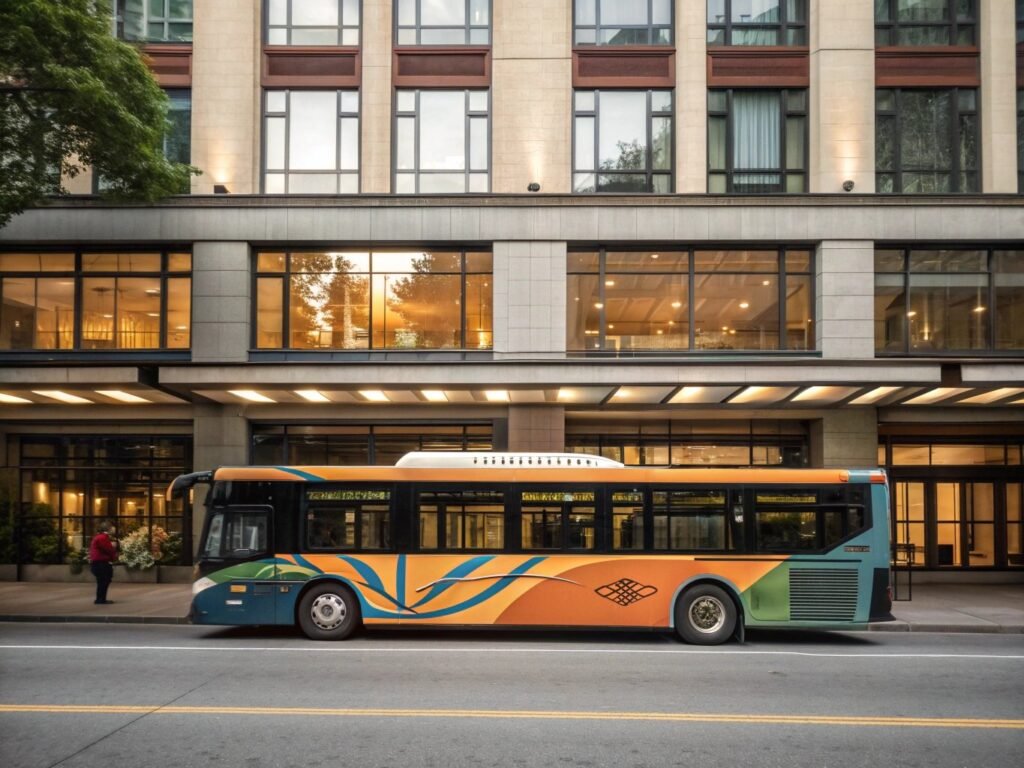
See this example of a public bus fleet using speed control tech:
How to Implement Certified Speed Limiters in Your Fleet
Getting started is easier than you think. Follow these steps:
- Assess Your Needs: Look at your buses’ models and routes. Check for certification like NHTSA standards.
- Pick a Provider: Go with trusted brands that offer FMCSA-compliant devices. Get quotes and read fleet reviews.
- Install Professionally: Most take under an hour per bus. Certified installs ensure everything meets regs.
- Train Your Team: Teach drivers how it works and why it’s there—no surprises on the road.
- Monitor and Maintain: Use built-in data to track performance and update as needed.
Costs start at $150-300per unit, with installs adding $50 more. But savings from fuel and repairs pay it back fast.
Real-World Examples from Public Transport Fleets
Many cities have jumped on this. One transit agency cut fuel use by 4% and had zero speeding tickets after adding GPS limiters. Another reported fewer crashes, saving on repairs and downtime. Even without a mandate, fleets like those in California use them to meet local air quality rules and boost public trust.
Tip: Start with a pilot on a few buses to see the impact before going fleet-wide.
Common Questions About Certified Speed Limiters
Here are quick answers to what fleet managers often ask:
Are speed limiters required by law for public buses?
Not federally in the US as of 2026—the proposed rule was withdrawn. But check state or city rules, and they’re often a smart choice for safety.
What makes a speed limiter “certified”?
It meets federal standards like FMVSS No. 140 for accuracy and safety, plus EPA for emissions control.
Do they slow down buses too much?
No—they only cap top speeds. Normal driving and merging stay the same.
Can drivers tamper with them?
Certified ones are designed to be tamper-proof, with alerts if someone tries.
If safety and efficiency matter to your public transport fleet, certified speed limiters are worth it. They protect everyone on board and can even make your operation stand out. Talk to a supplier today to learn more.