Skip to content

Table of Contents
In recent years, governments around the world have tightened road-safety regulations. As a result, tamper-proof speed limiters have become essential for commercial fleets, logistics companies, school buses, and heavy-duty vehicles. But what truly makes a speed limiter “tamper-proof”? Why do some devices get easily bypassed while others remain secure for years?
This ultimate guide will walk you through everything you need to know: how tamper-proof design works, global regulatory requirements, and what to look for when choosing a reliable, compliant speed limiter for your fleet.
What Is a Tamper-Proof Speed Limiter?
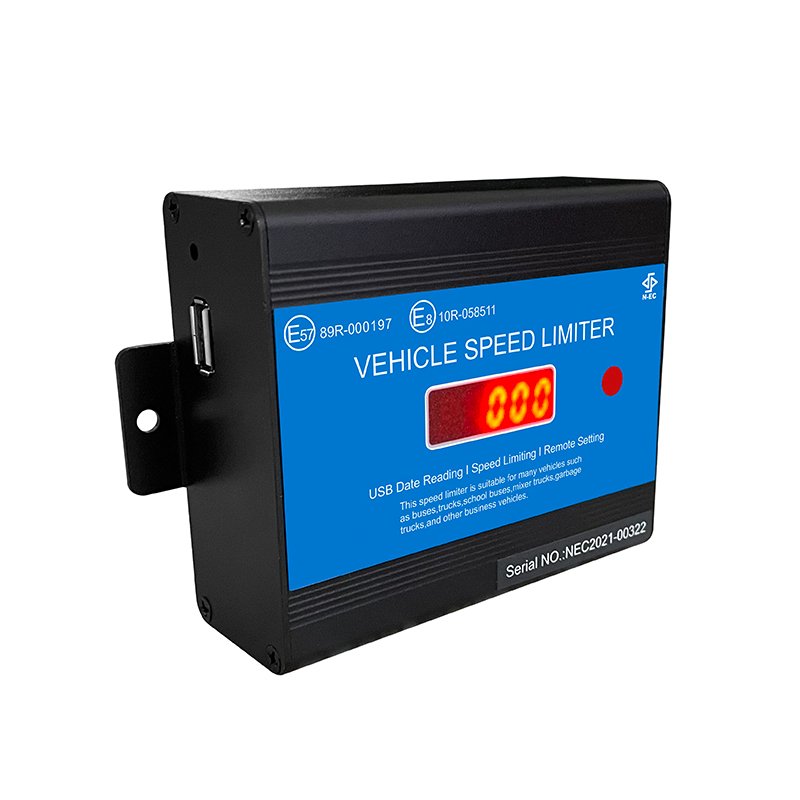
A tamper-proof speed limiter is an electronic device that restricts a vehicle’s maximum speed and prevents drivers or technicians from illegally modifying, bypassing, or disabling the system.
Modern tamper-proof systems go far beyond simple mechanical throttle limiters. They integrate with:
Vehicle ECU or CAN bus
Encrypted firmware
Anti-tamper hardware
Cloud monitoring platforms
The result: speed restrictions remain intact throughout the vehicle’s lifecycle.
Why Tamper-Proof Technology Matters
Speed limiters only work when they stay active. Without tamper-proof engineering, drivers may try to:
Disconnect the power supply
Modify the wiring
Install bypass switches
Reflash the ECU
Replace the limiter with a dummy unit
These issues can lead to accidents, legal penalties, insurance disputes, and severe fleet management risks.
Tamper-proof design ensures long-term compliance, reduces liability, and enhances road-safety performance.
How Speed Limiters Prevent Tampering
Modern manufacturers use a multi-layer design to eliminate opportunities for manipulation. Here are the key technologies:
Encrypted Software & Electronic Sealing
Speed parameters are stored with digital encryption.
Only authorized technicians can adjust settings using secure credentials.
Any attempted modification is recorded in the device’s internal log.
Hardware Anti-Tamper Protection
Anti-theft screws and sealed enclosures
Anti-pry casings that trigger fault alerts
Tamper-proof labels that permanently break once opened
Built-in alarms when power is removed or wires are tampered with
ECU / CAN Bus Integratio
The device communicates directly with engine control systems.
Removing the limiter triggers engine protection mode or power reduction.
Even if the external module is unplugged, the vehicle cannot operate normally.
This makes unauthorized bypass nearly impossible.
GPS + Cloud Monitoring (for fleets)
Real-time monitoring of any abnormal behavior
Alerts for power disconnection or parameter changes
Remote configuration (in some advanced models)
Tracking of tamper events for liability protection
Global Regulations Requiring Tamper-Proof Design
Different regions enforce varying requirements, but the trend is clear: tamper-proof functionality is becoming mandatory.
European Union (EU)
Under regulation EU 2019/2144, Intelligent Speed Assistance (ISA) became mandatory for new vehicles.
The system cannot be permanently shut off.
Speed-control functions must automatically re-activate at startup.
These rules strongly emphasize anti-tampering and system persistence.
China
China introduced the GB/T 44433-2024 standard for Intelligent Speed Limit Systems.
Focuses on sensing accuracy, performance, reliability, and functional safety.
While not strictly mandatory, it provides a technical foundation for safe and stable implementation.
UAE / Dubai
In 2025, UAE regulations require certain commercial vehicles to use certified tamper-proof speed limiters.
The device must integrate with ECU/OBD and be impossible to disable without detection.
Fleet operators are encouraged to adopt cloud-connected systems to meet compliance requirements.
Benefits of Choosing a Tamper-Proof Speed Limiter
Compliance With Local Laws
Avoid fines, penalties, and vehicle impoundment.
Reduced Accident Risk
Consistent speed control improves fleet safety standards.
Insurance Savings
Lower accident rates and better risk ratings can reduce premiums.
Lower Fleet Liability
Recorded tamper events protect companies during legal disputes.
Improved Vehicle Longevity
Lower speeds reduce engine wear, tire damage, and fuel consumption.
What to Look for When Choosing a Reliable Speed Limiter

When selecting a speed limiter, ensure the device includes:
✔ ECU / CAN bus integration
✔ Encrypted parameter storage
✔ Anti-tamper enclosure and screws
✔ Tamper detection alarms
✔ Power-cut detection
✔ GPS tracking or remote monitoring (optional)
✔ Compliance certificates for your region
The more layers of protection, the harder it is for drivers to manipulate the system.
Is After-Market or Factory-Installed Better?
Factory-installed speed limiters often have deeper ECU integration and strong tamper protection.
After-market speed limiters provide flexibility but must come from high-quality manufacturers that follow international anti-tampering standards.
Choose the option that offers the strongest combination of hardware + software + system integration.
Final Thoughts: The Future of Tamper-Proof Speed Limiters
With global traffic safety regulations becoming stricter, tamper-proof speed limiter technology is no longer optional — it is essential.
Next-generation systems will include:
AI-enabled speed recognition
Cloud-based policy enforcement
Remote locking / remote speed configuration
Vehicle-to-infrastructure (V2X) integration
For fleet managers and vehicle operators, investing in a tamper-proof system means safer roads, stronger compliance, and long-term operational savings.