Skip to content
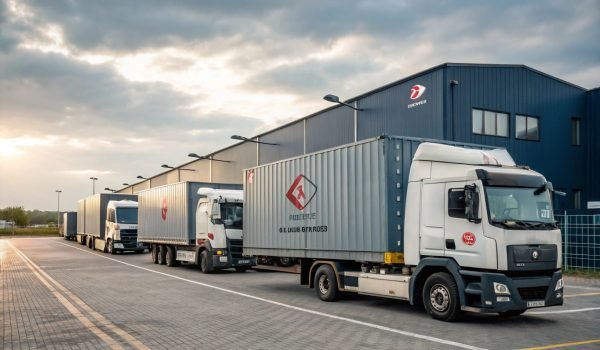
Table of Contents
If you run a logistics or delivery fleet, staying on top of safety rules is key to smooth operations. Speed limiters are devices that cap your vehicles’ top speeds, helping prevent accidents and cut costs. While there’s no federal mandate right now, many fleets use them voluntarily for big benefits. In this guide, we’ll cover the current rules as of December 2025, why they’re useful for your business, types to consider, how to add them, costs, real examples, and common questions. We’ll keep it easy to read so you can apply it right away.
What Speed Limiters Are and Why Logistics Fleets Should Care
Speed limiters are simple tech that stops trucks or vans from going over a set speed, like 65 mph. They connect to the engine or use GPS to enforce limits. For logistics and delivery, where drivers handle tight schedules and heavy loads, this means safer roads and fewer tickets.
Even without laws forcing them, speed limiters help with quick stops in traffic, protect goods from rough rides, and show customers you’re serious about safety. Data shows speeding plays a role in many truck crashes, so capping speeds can save lives and money.
Check out this image of a speed limiter setup in a delivery truck:

Current Speed Limiter Requirements in the US for 2026
As of December 2025, there’s no federal rule requiring speed limiters on commercial vehicles. The FMCSA and NHTSA withdrew a proposed mandate in July 2025 that would have applied to trucks over 26,000 pounds. This came after debates on safety versus costs, with the rule officially pulled to let drivers operate freely.
For logistics and delivery fleets, this means no nationwide must-have. Many delivery vans are under 26,000 pounds anyway, so they wouldn’t have been covered. No states have their own mandates for speed limiters on commercial fleets right now—it’s all voluntary. But check local traffic laws, as some areas push for safety tech in bids or contracts. If you’re in international shipping, note that places like Europe require them on new heavy vehicles.
Top Benefits for Your Logistics and Delivery Operations
Even without rules, smart fleets install speed limiters for these gains:
- Safer Deliveries: Caps reduce crash risks, especially in city traffic where quick stops matter. Fleets see fewer accidents and lower injury claims.
- Fuel Efficiency: Slower speeds burn less gas—save up to 5% on fuel for high-mileage routes.
- Longer Vehicle Life: Less strain on engines and brakes means fewer repairs and downtime.
- Better Insurance Rates: Insurers often cut premiums for safety features like these.
- On-Time Performance: Steady speeds help predict ETAs, keeping customers happy without rushing.
For delivery pros handling packages, this tech also cuts product damage from sudden moves.
Types of Speed Limiters Suited for Logistics Fleets
Pick the right type based on your vehicles—trucks, vans, or mixed. Here are options:
- Engine-Based Limiters: Link to the ECU to cap speed. Good for basic control in older trucks; cheap and easy to fit.
- GPS Speed Limiters: Adjust based on road limits in real time. Perfect for varying delivery routes in cities or highways.
- Variable Limiters: Set different caps, like lower in urban areas. Great for fleets with diverse operations.
- Aftermarket Kits: Add-ons for vans under 26,000 pounds, often with tracking for route optimization.
For logistics, GPS types shine because they log data for better planning.
Here’s an example of a delivery truck with a speed limiter installed:

How to Add Speed Limiters to Your Fleet Step by Step
Implementing them is straightforward:
- Review Your Fleet: Note vehicle types and typical speeds. Set caps like 60 mph for city deliveries.
- Choose Devices: Buy certified ones that fit your needs—look for tamper-proof features.
- Install Them: Pros can do it in under an hour per vehicle, connecting to the engine or dash.
- Test and Train: Run checks, then teach drivers the benefits to get buy-in.
- Track Results: Use software to monitor speeds and adjust as needed.
Start with a test group to see savings before full rollout.
Costs and Budget Tips for Implementation
Basic limiters cost $100 to $300 per vehicle, with GPS models up to $300. Installation adds $50 to $150 each. For a 20-vehicle fleet, expect $2500 to $6000 total.
But payback is quick—fuel savings alone can cover it in months. Look for bulk deals or grants for green tech. Factor in lower maintenance too.
Real Examples from Logistics and Delivery Fleets
One delivery company cut fuel costs by 4% and had no speeding fines after adding GPS limiters to their vans. Another logistics firm reported 20% fewer accidents, boosting their safety score for more contracts.
Tip: Pair with telematics for full tracking in busy logistics hubs.
Visualize a fleet in action with speed controls:
Lorem ipsum dolor sit amet, consectetur adipiscing elit. Ut elit tellus, luctus nec ullamcorper mattis, pulvinar dapibus leo.
Answers to Common Questions on Speed Limiters
Are speed limiters required for delivery vans?
No, no federal or state laws mandate them as of 2026. It’s up to you for safety perks.
What speed should I set for logistics trucks?
Aim for 60-65 mph on highways, lower in cities. Base it on routes and loads.
Do they work on electric delivery vehicles?
Yes, many are compatible with EVs, tying into their control systems.
Can they be overridden?
Certified ones are hard to tamper with, and logs show attempts for accountability.
Speed limiters might not be required, but they’re a smart move for logistics and delivery fleets wanting safer, cheaper runs. If you’re ready, contact suppliers for demos and start boosting your bottom line.