Skip to content

Table of Contents
As transport companies navigate the demands of safety, efficiency, and regulatory compliance in 2026, investing in a reliable speed governor for vehicles has become a strategic priority. A speed governor device, often interchangeably called a speed limiter, electronically caps vehicle speeds to prevent overspeeding, reducing accident risks and operational costs. Whether you’re outfitting a fleet of trucks, buses, or vans, this comprehensive buying guide highlights essential checks before purchasing. We’ll cover features, types, costs—including speed governor price benchmarks—regulations, and practical tips to ensure your choice aligns with business needs. With the U.S. FMCSA withdrawing its proposed mandate for heavy trucks in July 2025, voluntary adoption is surging for competitive edges in fuel savings and insurance discounts.
Why Transport Companies Need a Speed Governor Device in 2026
Overspeeding remains a top cause of commercial vehicle incidents, contributing to higher maintenance, fuel consumption, and liability. A well-chosen automobile speed governor not only enforces speed caps but integrates advanced tech like GPS for real-time tracking, helping fleets optimize routes and monitor driver behavior. For transport firms handling long-haul logistics or urban deliveries, these devices can slash fuel use by 10-20% and lower crash rates significantly. In regions without mandates, such as post-withdrawal U.S. scenarios, proactive installation demonstrates commitment to safety, potentially qualifying for rebates or reduced premiums.
Before diving in, assess your fleet’s profile: vehicle types (e.g., diesel trucks over 26,000 lbs), average speeds, and operational environments (highways vs. cities). This ensures the speed governor for car or truck models you select is compatible and effective.
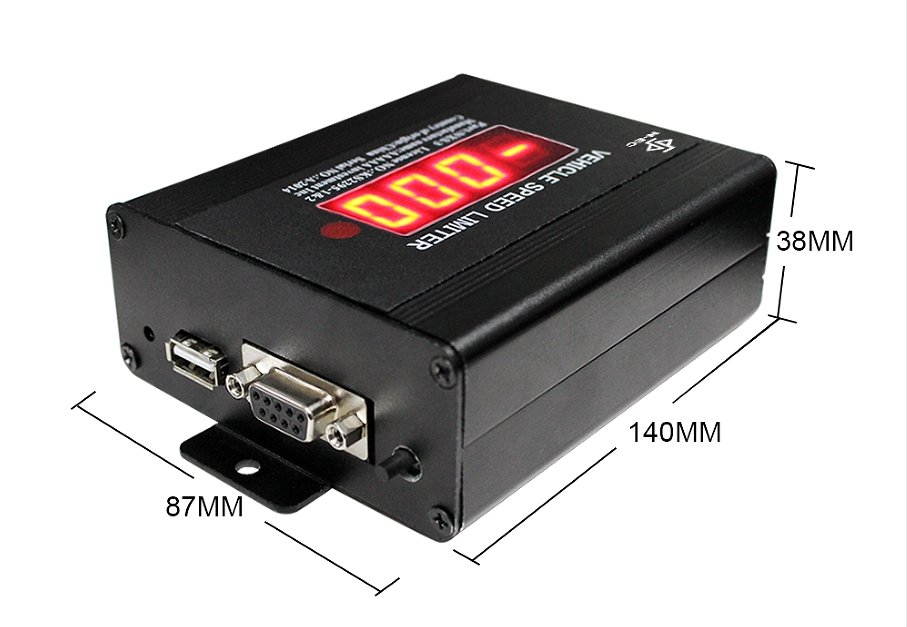
Essential Features to Evaluate in a Speed Governor for Vehicles
Modern speed governors go beyond basic limiting. Prioritize these features to maximize value:
- Tamper-Proof Mechanisms: Sealed units with detection alerts prevent unauthorized overrides, crucial for maintaining compliance and trust in driver accountability.
- GPS and Geofencing Integration: Allows dynamic speed adjustments based on zones (e.g., 50 mph in urban areas), enhancing safety in varied terrains.
- Data Analytics and Reporting: Built-in logging for speed events, fuel efficiency, and maintenance alerts, syncing with fleet management software.
- Acceleration and Reverse Control: Features like smooth throttle management and reverse speed regulation prevent abrupt maneuvers.
- Emergency Overrides: Quick-access bypass for critical situations, balanced with audit trails.
- Compatibility and Durability: Ensure it works with your vehicles’ ECUs and withstands harsh conditions like dust or vibrations.
Look for user-friendly interfaces with mobile apps for remote monitoring—ideal for transport managers overseeing multiple sites.
Types of Speed Governors: Which Fits Your Fleet?
Transport companies should compare types based on fleet size and needs. Here’s a detailed overview:
| Type | Description | Best For | Key Pros | Key Cons | Approximate Speed Governor Price (2026) |
|---|---|---|---|---|---|
| Electronic Fixed | Preset speed cap via ECU, no dynamic changes. | Small fleets on consistent routes | Affordable, easy install | Limited flexibility | $200-500 per unit |
| GPS-Adaptive | Uses satellite data for variable limits based on location or road type. | Mixed urban/highway operations | Enhanced safety, data insights | Requires connectivity, higher cost | $600-1,200 + subscription |
| Mechanical Governor | RPM-based limiting through fuel/throttle control. | Older vehicles in rugged environments | Reliable in low-tech setups | Less precise, harder to monitor | $150-400 |
| Intelligent Speed Assistance (ISA) | AI-driven with camera/GPS for real-time road sign recognition. | High-tech fleets prioritizing safety | Predictive adjustments, compliance | Premium pricing, tech dependencies | $800-1,500 |
For example, if your company runs heavy-haul trucks, opt for mechanical or GPS-adaptive models for robustness. Always verify type approvals like UN ECE standards for international operations.
Navigating 2026 Regulations for Speed Governors in Commercial Vehicles
Regulatory landscapes shifted in 2026, with the FMCSA formally withdrawing its speed limiter mandate for U.S. commercial motor vehicles over 26,000 lbs, citing state rights and tech concerns. However, states like New York and Wisconsin are proposing devices for reckless drivers, with installation costs around $1,000-1,700 annually. Globally, the EU mandates ISA for new vehicles, while African and Middle Eastern countries enforce governors for PSVs.
Transport companies must:
- Check local laws (e.g., no federal U.S. cap, but voluntary 68 mph recommendations).
- Ensure devices meet safety standards like those from IIHS or NSC.
- Prepare for audits with tamper-proof logs.
Non-compliance risks fines, so consult DOT or equivalent bodies early.
Speed Governor Price Breakdown: Budgeting for Your Purchase
Speed governor prices vary by features and scale. Basic models start at $100-150, while advanced GPS units hit $300-500 per vehicle, plus $50-200 installation. For bulk buys (50+ units), expect 10-20% discounts. Factor in ongoing costs: subscriptions ($50-200/year for data) and maintenance ($100 annually).
Tips for cost control:
- Compare quotes from multiple vendors.
- Calculate ROI: 15-25% fuel savings can recoup costs in 6-12 months.
- Explore financing or leasing for large fleets.

Step-by-Step Process for Purchasing a Speed Governor Device
- Define Requirements: Audit fleet size, vehicle models, and desired features (e.g., ISA for urban routes).
- Research Vendors: Evaluate reputable suppliers like Speedshield, LifeSafer, or Sturdy Automotive for reviews and demos.
- Request Proposals: Get customized quotes, including warranties (aim for 2-5 years).
- Pilot Testing: Install on 5-10 vehicles to test performance and driver feedback.
- Negotiate and Buy: Secure bulk deals and training packages.
- Install and Train: Use certified technicians; educate staff on usage.
Installation and Maintenance Best Practices
Professional installation is key—DIY risks voiding warranties. Expect 1-2 hours per vehicle, focusing on ECU wiring.
Post-install, schedule quarterly checks for calibration. Maintenance tips: Clean sensors, update firmware OTA, and monitor for faults via apps.
Common Mistakes Transport Companies Make—and How to Avoid Them
- Overlooking Compatibility: Test on your vehicles to avoid integration issues.
- Focusing Solely on Price: Cheap models lack durability; prioritize TCO.
- Ignoring Driver Input: Involve teams to boost acceptance and reduce tampering.
- Skipping Certifications: Ensure global standards to avoid export/import hurdles.
- Neglecting Scalability: Choose expandable systems for fleet growth.
Conclusion: Making an Informed Speed Governor Purchase
For transport companies in 2026, selecting the right speed governor for vehicles means balancing safety, cost, and tech. By checking features, regulations, and speed governor prices thoroughly, you’ll enhance fleet performance and reduce risks. Start with a needs assessment and vendor consultations—many offer free audits. Investing wisely in a speed governor device or automobile speed governor positions your business for sustainable growth. For the latest updates, monitor industry bodies like FMCSA or NSC. Safe and efficient operations await!