Skip to content

Table of Contents
If you’re running a fleet of trucks or vans, you’ve probably heard about speed limiters. These devices cap how fast your vehicles can go, and many folks wonder if they’re worth adding to every rig. With speeding linked to about one in three deadly crashes, safety is a big deal for fleet managers. But is it smart to install them across your whole operation? This article breaks it down with pros, cons, expert views, and real numbers to help you decide. We’ll keep things straightforward so you can weigh the options for your business.
By the end, you’ll have clear answers on safety gains, cost savings, and potential downsides. Let’s dive in.
What Are Speed Limiters and How Do They Work?
Speed limiters are electronic tools that stop vehicles from going over a set top speed. They’re often built into the engine’s computer system. For example, you might set a truck to max out at 65 mph. No matter how hard the driver pushes the pedal, the vehicle won’t go faster.
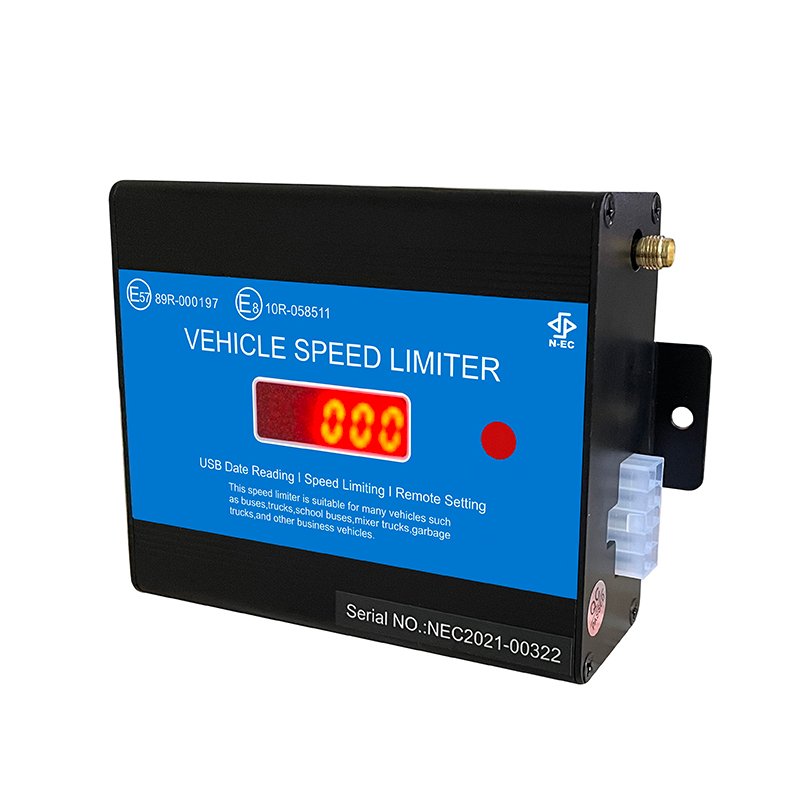
These aren’t just for big rigs— they work on vans and smaller fleet vehicles too. Some advanced versions use GPS to adjust limits based on road signs or zones. They’re easy to add, often plugging right into the vehicle’s system. Many large fleets already use them to boost safety and cut costs.
As of January 2026, there’s no federal rule making them required in the U.S. The FMCSA and NHTSA pulled back a proposed mandate in July 2025 due to data gaps and pushback. But some states have their own rules, and many companies choose to install them anyway for the benefits.
The Pros of Installing Speed Limiters on Your Fleet
Adding speed limiters can make a real difference for safety and your wallet. Here’s a breakdown of the key upsides, backed by data:
Better Road Safety: Trucks with limiters have crash rates up to 50% lower than those without. They help prevent high-speed wrecks, which can be deadly. One study showed that capping speeds could save over 200 lives and avoid nearly 5,000 injuries each year if set at 65 mph.

- Lower Fuel Costs: Slower speeds mean better gas mileage. Fleets see big savings here, as high speeds burn more fuel. Plus, it cuts down on engine wear, so maintenance bills drop.
- Cheaper Insurance and Liability: Insurers often give discounts for fleets with limiters because they lower risk. This can trim premiums by 5-20%. Fewer crashes also mean less downtime and fewer lawsuits.
- Eco-Friendly Perks: Limiting speeds reduces emissions, helping your fleet meet green standards and appeal to eco-conscious clients.
- Driver Retention and Training: Safer vehicles can help keep good drivers around longer. It shows you care about their well-being
Overall, these tools promote a culture of safe driving and can pay off quick through savings.
The Cons and Potential Drawbacks
No solution is perfect, and speed limiters have some downsides. It’s important to consider these before making a call:
- Longer Trip Times: Capped speeds can add minutes or hours to routes, which might hurt tight schedules. This could affect delivery times and customer satisfaction.
- Speed Differences on Roads: Trucks going slower than cars might lead to more passing and close calls. Some experts say this boosts crash risks from vehicle interactions.
- Driver Pushback: Many truckers don’t like them, feeling they limit control or make merging harder. This could lead to lower morale or higher turnover
- Upfront Costs: While not huge, installing them isn’t free—more on that below.
- Not Foolproof: Drivers might try to bypass them, though good systems make that tough
Weighing these against the pros is key for your specific fleet.
Expert Insights on Speed Limiters for Fleets
Experts are split on this topic, but their views can guide your choice. Here’s what some key voices say in 2025:
- Safety Advocates Like the National Safety Council (NSC): They push for limiters, saying they could save lives by cutting crash severity. The NSC urged the DOT to rethink dropping the mandate, noting big potential for fewer deaths.
- Trucking Groups Like OOIDA: The Owner-Operator Independent Drivers Association cheers the mandate’s withdrawal. They argue slower trucks create hazards by disrupting traffic flow and increasing wrecks. Thousands of drivers opposed it, citing real-world dangers.
- Fleet Managers and Industry Pros: Many in trucking see value in voluntary use. For instance, experts note that intelligent speed tech improves fuel efficiency and safety without a one-size-fits-all rule. One report highlights how limiters level the playing field by reducing the need to speed for competition.
- Government Stance: The FMCSA pulled the rule due to lacking data on safety and costs, but they still see benefits for fleets that choose them.
Bottom line: If your fleet deals with high-risk routes or high insurance, experts lean toward yes. For long-haul ops in heavy traffic, think twice.
Costs and Return on Investment (ROI)
How much does it cost to install speed limiters? Basic units run $200 to $500 per vehicle, plus setup fees. For a 20-truck fleet, that’s $4,000 to $10,000 upfront. Smarter GPS-linked ones might cost more, up to $1,000 each.
But the ROI can be strong. Many fleets recoup costs in a year through fuel savings (up to 2-3% per mph slower) and fewer crashes. Lower insurance and maintenance add up fast. One expert tip: Start with a pilot on a few vehicles to test the waters.
How to Decide If Speed Limiters Are Right for Your Fleet
Ask yourself these questions:
- What’s your crash history? If speeding is an issue, limiters could help big time.
- How important are quick deliveries? If time is money, the slowdown might hurt.
- What do your drivers think? Get their input to avoid pushback.
- Check local rules: Some areas require them for certain vehicles.
- Run the numbers: Calculate potential savings vs. costs.
Talk to a fleet tech provider for a custom quote and trial.
Answers to Related Questions
Here are quick takes on common follow-ups:
- Are speed limiters required in 2026? No federal mandate, but check state laws. The U.S. plan was dropped in July.
- Do they work on all vehicles? Most modern trucks and vans, yes. Older ones might need upgrades.
- How do they affect fuel use? They cut it by promoting steady, lower speeds.
- What’s the best speed to set? 65-70 mph is common for highways, balancing safety and efficiency.
- Can they be adjusted? Yes, often remotely via telematics.
Final Thoughts: Is It Worth It for Your Fleet?
Yes, installing speed limiters on your entire fleet could be a smart move if safety and savings top your list. They cut crashes, trim costs, and show you’re serious about responsible operations. But if your routes demand speed or drivers resist, it might not fit. Weigh the pros and cons, chat with experts, and maybe test a few first.
For more advice, reach out to groups like the FMCSA or a local fleet consultant. Safe driving out there—your choice could save lives and money.