Skip to content
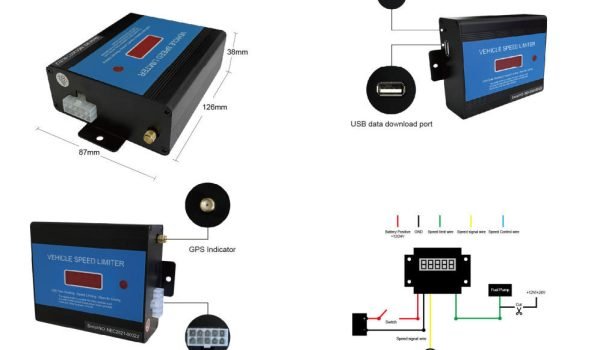
Table of Contents
Installing a vehicle speed limiter correctly is essential for road safety, regulatory compliance, and anti-tampering control. Improper installation may lead to system failure, inspection rejection, or legal penalties. This guide explains how to install a vehicle speed limiter step by step, following industry-standard practices used in government-approved speed limiter systems.
Whether you are a fleet manager, certified installer, or transport authority contractor, this article provides a clear and practical installation reference.
What Is a Vehicle Speed Limiter?
A vehicle speed limiter is an electronic device designed to restrict the maximum speed of a vehicle by controlling engine output once a preset speed threshold is reached. Modern speed limiters use GPS speed detection, tamper-proof control logic, and data logging to meet government regulations in countries such as Kenya, UAE, and across Africa.
Pre-Installation Checklist
Before starting installation, prepare the following:
Tools & Equipment
Vehicle speed limiter main unit
GPS antenna
Wiring harness
Relay module
SIM card (data + SMS enabled)
Multimeter
Cable ties and insulation tape
Vehicle Conditions
12V or 24V electrical system
Accessible ignition power and ground
Safe access to fuel or engine control circuit
⚠️ Always disconnect the vehicle battery before installation.
Step 1: Mounting the Speed Limiter Device
Install the main unit inside the dashboard or under the driver console
Ensure it is:
Firmly fixed
Hidden from direct access
Protected from heat, water, and vibration
Hidden installation is a mandatory anti-tampering requirement for inspection approval
Step 2: Power Supply Connection
Correct power wiring ensures stable system performance:
Red wire → Constant power (+12V / +24V)
Black wire → Vehicle ground
Yellow wire → Ignition ACC
All connections must be:
Secure
Insulated
Verified with a multimeter
Step 3: Speed Signal Configuration
GPS Speed Detection (Recommended)
Connect the GPS antenna to the main unit
Mount antenna on the dashboard with clear sky view
Avoid metal shielding
GPS speed input is preferred by regulators due to high accuracy and anti-tampering reliability.
Vehicle Speed Sensor (Optional)
- Connect to gearbox sensor or ECU speed output if required
Step 4: Engine Control Wiring (Speed Limiting Function)
To physically limit vehicle speed, the system controls the engine using a relay:
Common control methods:
Fuel pump cut-off
Injector control
Electronic throttle limitation
❗ Never cut engine wires directly.
Always use a relay to ensure ECU safety and reversible installation.
Step 5: SIM Card & Network Setup
Insert SIM card (PIN disabled)
Power on the device
Confirm:
GSM signal is normal
GPS signal is active
This enables remote configuration, monitoring, and compliance reporting
Step 6: Speed Limit Programming
Speed limits can be configured via:
Authorized software
Secure SMS command
Official inspection terminal
Key compliance features:
Speed limit is locked
Unauthorized changes are recorded
Tampering triggers alarms
Step 7: Anti-Tampering Verification
After installation, perform tamper tests:
Disconnect GPS antenna → Alarm triggered
Cut power → Event logged
Open device → Seal violation
These tests are required for government inspection approval.
Step 8: Final Testing & Certification
Before vehicle handover:
Conduct a road test
Confirm speed cannot exceed limit
Verify GPS tracking accuracy
Check alarm and log records
Seal the device
The vehicle is now ready for official inspection and certification.
Conclusion
Proper installation of a vehicle speed limiter is critical for legal compliance, driver safety, and long-term reliability. By following standardized installation procedures and anti-tampering practices, installers can ensure successful inspections and dependable system performance.
For fleet operators and transport authorities, a correctly installed speed limiter is not just a requirement—it is a risk-control solution.