Skip to content
Table of Contents
Ever wonder why some cars or trucks won’t go faster than a certain speed, no matter how hard you press the gas? It’s often because of a speed limiter working hand-in-hand with the vehicle’s engine control system. This setup helps keep roads safer, saves fuel, and meets rules for fleets. In this easy-to-read guide, we’ll break down how these systems team up, step by step. If you’re a driver, mechanic, or just into car tech, you’ll find clear answers here.
We’ll explain the basics, how they connect, the upsides, possible issues, and common questions. Let’s get started.
What Is a Speed Limiter?
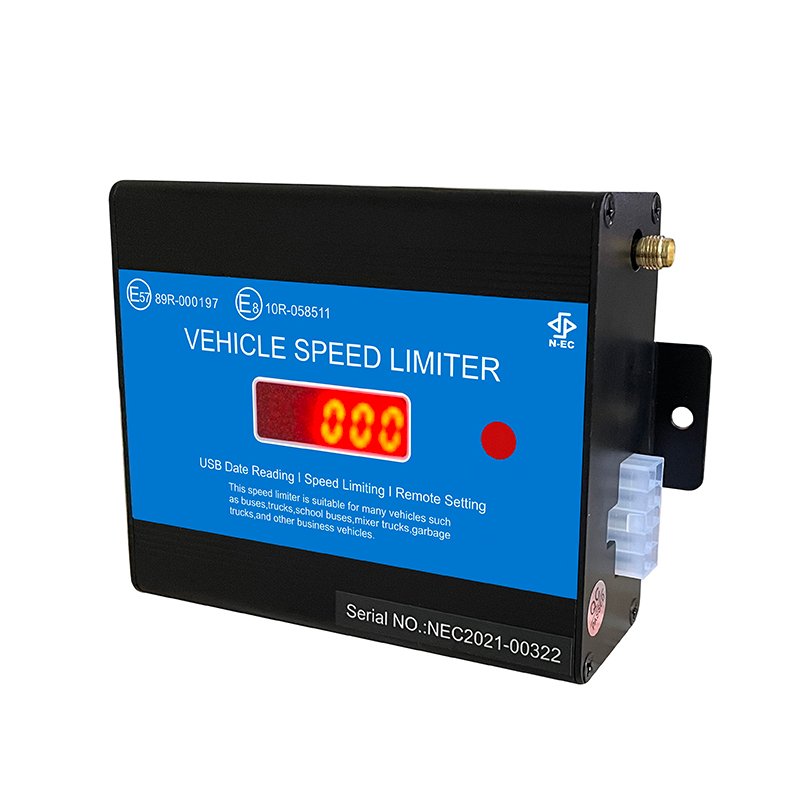
A speed limiter is a tool that caps how fast a vehicle can go. It’s like an invisible brake that kicks in at a set speed, such as 65 mph for trucks. These aren’t new— they’ve been around for years in big rigs and company cars to cut down on accidents and wear.
There are different kinds:
- Basic Electronic Limiters: They watch the speed and cut power to the engine.
- GPS-Linked Ones: These use satellite data to adjust based on road limits, like slowing in construction zones.
- Throttle Controllers: They limit how far the gas pedal can go.
- Fuel Management Systems: They reduce fuel flow when you hit the max speed.
In places like Europe and parts of the US, laws require them on heavy vehicles to boost safety.
What Is an Engine Control System?
The engine control system, often called the Engine Control Unit or ECU, is the smart box that runs your vehicle’s motor. It’s like the boss telling the engine how much fuel to use, when to spark the plugs, and how to shift gears.
The ECU gets info from sensors all over the car—like speed from the wheels, air flow, and temperature. It then makes quick changes to keep everything running smooth. Without it, modern cars wouldn’t be as efficient or clean.
In simple terms, it’s a small computer hooked up to the engine. It talks to other parts via wires or networks, making sure the vehicle performs well.
How Speed Limiters Interact with Engine Control Systems
This is the core of it: speed limiters don’t work alone—they plug into the ECU to control speed smartly. Here’s how it happens in most modern vehicles:
This is the core of it: speed limiters don’t work alone—they plug into the ECU to control speed smartly. Here’s how it happens in most modern vehicles:
- Detecting Speed: Sensors on the wheels or transmission measure how fast you’re going. This data goes straight to the ECU.
- Setting the Limit: The limiter, which could be software in the ECU or a separate module, has a programmed top speed. It watches the incoming data.
- Taking Control: When you reach the limit, the limiter tells the ECU to act. The ECU might reduce fuel, close the throttle, or adjust ignition timing to hold back power. For example, it could cut fuel injection so the engine can’t rev higher.
- Smooth Operation: Everything happens fast and gentle, so you don’t feel a big jerk—just the car refusing to speed up.
- Advanced Features: In fancier systems, GPS or RPM (engine speed) data feeds into the ECU for even better control, like changing limits based on location.
This teamwork uses the vehicle’s existing wiring, often through a network called CAN Bus, to share info without extra cables. It’s reliable and hard to mess with, which is great for fleet owners.
For adding one to an older car, you might need to wire a module to the throttle or reprogram the ECU with special tools. Always get a pro to do it to avoid issues.
Benefits of This Interactio
When speed limiters and engine control systems work together, you get real wins:
- Safer Driving: Lower top speeds mean fewer bad crashes. Studies show they can drop accident rates in trucks by a lot.
- Better Fuel Use: Slower speeds burn less gas, saving money for big operations.
- Less Wear and Tear: Engines and tires last longer without high-speed stress.
- Rule Following: Helps meet laws, like those for commercial vehicles in many states.
- Driver Monitoring: Some systems log data via the ECU for reviewing habits.
Common Challenges and Solutions
Like any tech, there can be hiccups:
- Bypassing Attempts: People sometimes try to remove limiters, but ECU-integrated ones are tough to hack.
- Fit Issues: Not every old vehicle plays nice—check compatibility first.
- False Triggers: Bad sensors might cause weird behavior; regular maintenance fixes that.
- Performance Dip: In emergencies, like passing, the limit might feel restrictive, but safety comes first.
To handle these, use trusted installers and quality parts. Tools for scanning the ECU can spot problems early.
Frequently Asked Questions
How Do I Know If My Car Has a Speed Limiter?
Check your owner’s manual or test by trying to go over common limits like 112 mph in many cars. A mechanic can scan the ECU too.
Can Speed Limiters Be Adjusted?
Yes, often through ECU programming. Fleet owners do this via software, but it’s not always legal for personal use.
Do They Work on Electric Vehicles?
Absolutely—EVs use similar control units to limit power to the motors instead of fuel.
What’s the Difference Between a Limiter and a Governor?
A governor usually controls engine RPM, while limiters focus on road speed. They interact via the ECU.
Are There Any Downsides to Fuel Savings?
Not really, but you might notice slightly slower acceleration at the limit.
This interaction between speed limiters and engine control systems is a smart way to make driving better for everyone. If you’re thinking about adding one, talk to an auto shop. Stay safe out there!