Skip to content

Table of Contents
Fleet managers are always hunting for ways to cut expenses without hurting performance. If you’re searching for “how speed limiters reduce fleet operational costs,” you’re likely looking for real ways these devices can save money on fuel, repairs, insurance, and more. This guide breaks it down step by step, with fresh insights for 2026 based on the latest trends and data. We’ll show you how speed limiters work, their direct impact on your bottom line, and tips to get started—all in plain language to help you make smart choices.
What Are Speed Limiters and Why Do They Matter in 2026?
Speed limiters are simple tools that cap a vehicle’s top speed. They connect to the engine or fuel system to prevent going over a set limit, like 65 mph. In today’s trucks and vans, they often team up with tech like GPS for smarter control.
With new rules on the horizon—like the FMCSA’s push for safer highways—speed limiters are gaining traction. Even without a full mandate yet, many fleets use them to stay ahead. They help follow state speed laws and cut risks, which ties straight into lower costs. Think of them as a guardrail for your budget: they keep speeds in check to avoid wasteful habits.
Key Ways Speed Limiters Cut Fleet Costs
Speed limiters tackle expenses from multiple angles. Here’s how they deliver savings, backed by real-world stats:
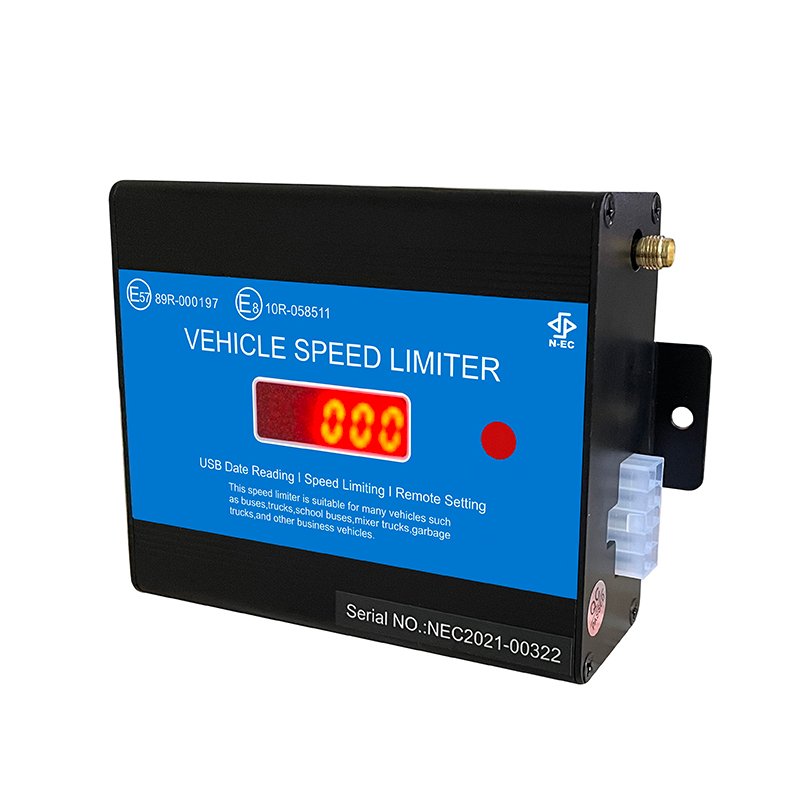
- Big Fuel Savings Speeding burns more gas—it’s that simple. For every 1 mph over 65 mph, fuel use can jump by about 2.2%. Drop your fleet’s top speed by 5 mph, and you could see 5-10% less fuel spent overall. A Canadian study pegged industry-wide savings at up to $250 million a year from limiters. In 2026, with diesel prices still volatile, this adds up fast for long-haul ops.
- Lower Maintenance and Repair Bills High speeds wear out tires, brakes, and engines quicker. Limiters ease this strain by keeping things steady. Trucks running at controlled speeds can extend engine life and cut tire replacements by 10-15%. Less downtime means your vehicles stay on the road, earning money instead of sitting in the shop.
- Cheaper Insurance Premiums Insurers love safe fleets. Speed limiters can slash crash rates by up to 50% in equipped trucks, leading to lower premiums. One report shows fleets with these devices often qualify for discounts, trimming insurance costs by 5-20% over time. Plus, fewer accidents mean no costly claims or legal fees.
- Fewer Fines and Better Compliance Speeding tickets hit hard—up to $10,000 per violation in some cases. Limiters help drivers stick to limits automatically, dodging penalties. In 2026, with talks of a 68 mph cap for big rigs, early adopters avoid future headaches and build a strong safety record.
- Improved Driver Retention and Training Safe driving boosts morale. Limiters provide data on habits, so you can coach without guesswork. This leads to happier teams and lower turnover costs—replacing a driver can run $5,000 or more.
These aren’t just theories. Over 84% of surveyed carriers already use limiters for fuel perks alone. For a mid-size fleet of 50 trucks, savings could hit $50,000 yearly from fuel and maintenance combined.
Real-World Examples of Cost Reductions
Take a typical trucking firm: By setting limiters at 65 mph, they cut fuel use by 7% across 100 vehicles, saving $100,000 in one year. Another fleet saw maintenance drop 12% after adding GPS-linked limiters, which adjust for road types. In 2025, adaptive models—that change speeds based on location—are proving even better at balancing efficiency and safety.
How to Implement Speed Limiters for Maximum Savings
Getting started is easier than you think. First, assess your fleet: Heavy trucks benefit most from robust models, while delivery vans might need lighter ones. Look for features like real-time alerts and data logs to track savings.
Install via plug-and-play options to avoid downtime. Train drivers—explain it’s about safety, not control. Monitor for a month, tweak limits, and watch costs fall. Many pay off in under a year through fuel alone. Pair with telematics for extra insights.
Answering Related Questions
Fleet managers often wonder:
- Do speed limiters affect delivery times? Slightly—expect 5-10% longer trips at lower speeds, but optimize routes with tech to offset it.
- Are they required in 2026? Not federally yet, but proposals are active. Voluntary use still brings big wins.
- What’s the ROI? Often 6-12 months, thanks to quick fuel and insurance drops.
- Do they work with electric fleets? Yes, and they enhance battery life too.
Wrapping Up: Start Saving Today
Speed limiters are a smart, low-effort way to trim fleet costs in 2026. From slashing fuel bills to dodging repairs and fines, they deliver real value while boosting safety. If you’re running trucks or vans, test one out—your wallet will notice the difference fast. For more tailored advice, chat with a supplier about your setup. Safe roads mean stronger business.