Skip to content

Table of Contents
Speeding is a big problem on roads today. It plays a role in about 30% of deadly crashes. For businesses that run fleets of trucks or other vehicles, this means higher risks for drivers, other people on the road, and the company’s bottom line. Speed limiters are devices that cap how fast a vehicle can go. They help by keeping speeds in check, which can cut down on accidents and the costs that come with them, like insurance claims or lawsuits.
In this article, we’ll look at how speed limiters work, why they make roads safer, and how they save money on liability. We’ll use real stats and examples to show the benefits. If you’re a fleet manager, driver, or just curious about road safety, this info can help you see why these tools matter.
What Are Speed Limiters?
Speed limiters, also called speed governors, are electronic systems built into vehicles. They stop the engine from pushing the vehicle past a set top speed. For example, a truck might be limited to 65 mph, no matter how hard the driver presses the gas pedal.
These devices are common in big trucks and commercial fleets. They use sensors to watch the vehicle’s speed and adjust power to the engine if needed. Some newer ones even use GPS to change limits based on the road’s speed rules. The goal is simple: prevent speeding, which often leads to bad crashes.
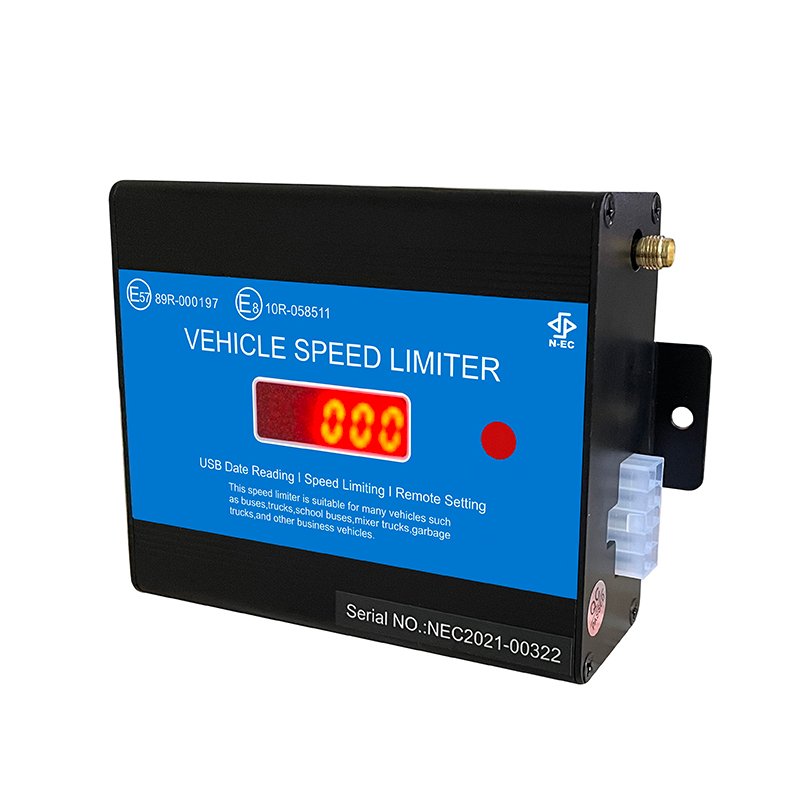
Speed limiters aren’t new. Many trucking companies already use them on their own. But in 2025, the U.S. government talked about making them required for heavy trucks, though the plan was dropped. Still, the tech shows clear upsides for safety and costs.
How Speed Limiters Lower Accident Rates
Speed is a key factor in crashes. The faster you go, the harder it is to stop or steer clear of trouble. Studies show that for every 5 mph increase in top speed limits, death rates on highways go up by about 8.5%. Speed limiters tackle this by forcing vehicles to stay at safe speeds.
Here’s how they help reduce accidents:
- Less Severe Crashes: At lower speeds, crashes are less deadly. One study found that dropping speed limits on rural roads cut deaths by 41%. With limiters, trucks can’t hit super high speeds, so impacts are milder.

- Better Control: Drivers have more time to react. If a truck is capped at 65 mph, it’s easier to brake for sudden stops or curves. The U.S. Department of Transportation says limiters set to 65 mph could save over 200 lives and stop nearly 5,000 injuries each year.
- Fewer Speeding Tickets and Risks: Limiters keep vehicles from breaking speed laws. This means fewer run-ins with other cars that could cause wrecks. Research on big trucks shows those with active limiters have much lower crash rates.
In cities, lower limits like 30 km/h (about 18 mph) can save over 40% of lives in crashes. For fleets, this adds up to safer trips and fewer downtime from accidents.
Some folks worry that limiters create speed differences between trucks and cars, which might cause more passing and risks. But overall data points to big safety wins, especially for heavy vehicles.
Cutting Liability Costs with Speed Limiters
Liability costs are the money businesses pay when accidents happen—like medical bills, repairs, or legal fees. Speeding jacks up these costs because crashes are worse and more likely to end in lawsuits.
Speed limiters help trim these expenses in a few ways:
- Lower Insurance Premiums: Fleets with limiters often get discounts from insurers. One report says savings can be 5-20% over time, since safer driving means fewer claims. Insurers see limiters as a sign of good risk management.
- Fewer Claims and Payouts: With fewer and less serious accidents, companies pay out less for damages. Safer fleets can talk down their insurance rates and cut exposure to big liability hits.
- Reduced Downtime and Repairs: Crashes at high speeds wreck vehicles more. Limiters keep speeds down, so repairs cost less, and trucks get back on the road faster. This saves on lost business too.
For example, speeding boosts fuel use by about 2.2% per extra mph, adding to overall costs. But the real savings come from dodging the big bills of accidents. Many fleets find that the cost of installing limiters pays off quick through lower liability.
Other Benefits for Commercial Vehicles
Beyond accidents and liability, speed limiters offer more perks for businesses with trucks or vans:
- Fuel Savings: Slower speeds mean better gas mileage. This can cut fuel bills a lot for big fleets.
- Less Wear and Tear: Engines and tires last longer at steady, lower speeds, dropping maintenance costs.
- Environmental Wins: Lower speeds cut emissions, helping companies meet green goals and rules.
- Driver Safety and Training: Limiters back up driver training by enforcing safe habits, leading to a better safety culture.
Studies show trucks without limiters crash more often, proving the value for commercial use.
Real-World Examples
Take a look at some companies that use speed limiters. One large trucking firm reported a 50% drop in crash rates after adding them. In Europe, where limiters are required on heavy trucks, accident stats for big vehicles are lower than in places without them.

In the U.S., voluntary use by fleets has led to real savings. For instance, firms see fewer severe wrecks, which means less time in court and more time making money.
Common Questions About Speed Limiters
Here are answers to related questions people often ask:
- Are speed limiters mandatory? Not yet in the U.S. for all trucks, but some states and companies require them. The federal plan was paused in 2025.
- How do they work with modern tech? Many pair with GPS for smart limits that change with road signs.
- Do they affect performance? They cap top speed but don’t slow normal driving. Most drivers get used to them fast.
- What’s the cost to install? It varies, but savings from fuel and safety often cover it in a year or two.
- Can they be tampered with? Good systems are hard to bypass, and tampering can lead to fines.
Wrapping It Up
Speed limiters are a smart way to make roads safer and cut costs for businesses. By keeping speeds in check, they lower accident rates with stats showing big drops in deaths and injuries. They also slash liability costs through cheaper insurance and fewer claims. If you’re running a fleet, think about adding them— the benefits in safety, savings, and peace of mind are worth it.
For more on road safety tools, check out resources from groups like the National Highway Traffic Safety Administration. Stay safe out there!