Skip to content

Table of Contents
Electric vehicles (EVs) are transforming the automotive industry with instant torque, intelligent software, and high-performance capabilities. But this raises an important safety and compliance question:
👉 Do electric cars need speed limiters?
The short answer is yes—often more than traditional vehicles, but the reasons are more complex than you might expect. This article explains why speed limiters matter for EVs, how they work, when they are required, and who should use them.
What Is a Speed Limiter in an Electric Car?
A speed limiter is a system that restricts the maximum speed of a vehicle by controlling motor power output through software or hardware.
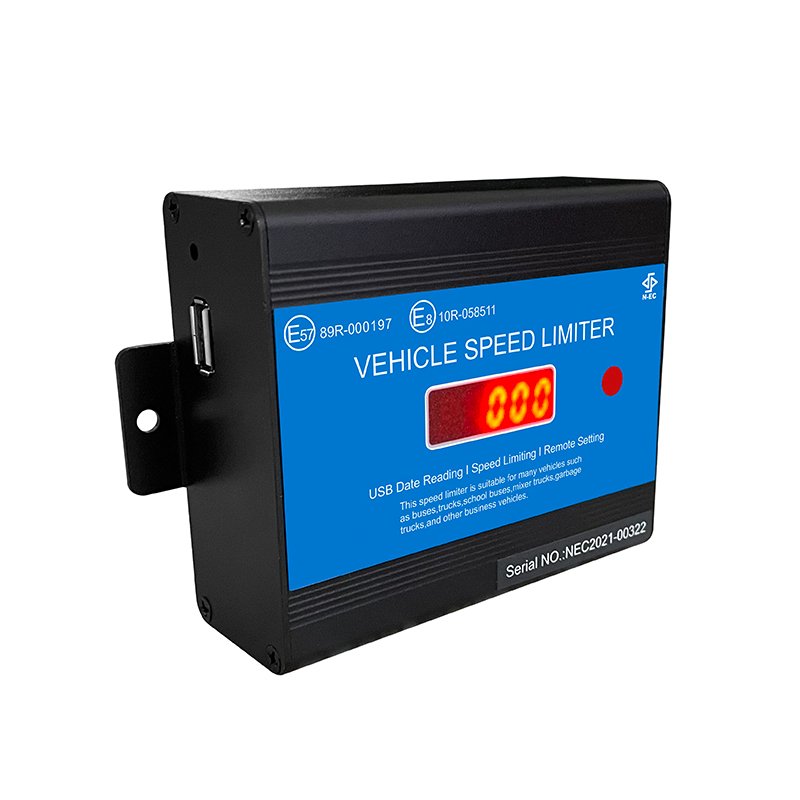
In electric cars, speed limiting is usually implemented via:
Motor control software (ECU / inverter control)
Battery management systems (BMS)
Telematics-based fleet control platforms
Government-regulated speed governors
Unlike traditional fuel vehicles, EV speed limiting is mostly software-based, making it highly accurate and customizable.
Why Electric Cars May Need Speed Limiters More Than Gas Vehicles
Instant Torque Increases Accident Risk
Electric cars deliver maximum torque from zero RPM, unlike combustion engines that build power gradually. This means:
Faster acceleration
Higher risk of driver error
More severe impact at high speeds
Speed limiters help control this performance advantage.
EVs Are Often Used in Urban and Shared Mobility
Many EVs operate in:
Ride-hailing fleets
Car-sharing platforms
Delivery fleets
Smart cities
In dense urban areas, speed limiters reduce:
Pedestrian accidents
Property damage
Insurance liability
Battery Safety and Thermal Management
High speeds significantly increase:
Battery temperature
Energy consumption
Battery degradation
Speed limiting can extend battery life and reduce thermal stress, which is a major cost factor for EV owners.
Are Speed Limiters Legally Required for Electric Cars?
Passenger Electric Cars
In most countries, speed limiters are not mandatory for private EV passenger cars, but many manufacturers voluntarily include electronic speed caps (e.g., 160–250 km/h).
Commercial Electric Vehicles
Speed limiters are often legally required for:
Electric trucks
Electric buses
Electric delivery vans
Industrial EVs (forklifts, AGVs, mining vehicles)
Regulations may include:
UNECE R89 (EU and many global markets)
National transport authority rules
Insurance compliance requirements
Types of Speed Limiters in Electric Vehicles
Factory (OEM) Software Speed Limiters
Most EV manufacturers program a maximum speed in the vehicle firmware. These are:
Integrated with motor controllers
Tamper-resistant
Warranty-safe

Aftermarket Speed Limiters
Aftermarket systems are installed by fleets or integrators and offer:
Adjustable speed policies
Driver-based speed profiles
Geo-fenced speed zones
Remote fleet control
Intelligent (AI-Based) Dynamic Speed Limiters
Next-generation EVs use AI and telematics to:
Reduce speed in school zones
Limit speed in warehouses
Adjust speed based on weather or traffic
Monitor driver behavior
Benefits of Speed Limiters for Electric Cars
Improved Road Safety
Speed is the leading factor in fatal accidents. Limiting speed directly reduces:
Collision severity
Pedestrian fatalities
Insurance claims
Longer Battery Life
Lower speeds reduce:
Heat generation
Battery degradation
Charging frequency
This significantly lowers total cost of ownership (TCO).
Regulatory and Insurance Compliance
Many insurers offer lower premiums for speed-limited fleets, and some regions mandate speed governors for commercial EVs.
Fleet Productivity Control
Fleet managers can:
Enforce company driving policies
Prevent reckless driving
Optimize energy efficiency
Common Concerns About Speed Limiters in EVs
“Speed Limiters Reduce Performance”
Yes—but performance without control increases accident risk and operational costs. Many EV manufacturers balance acceleration and top speed strategically.
“Drivers Can Remove Speed Limiters”
OEM limiters are difficult to remove. Aftermarket systems can be protected with:
Tamper detection
Secure firmware
Encrypted CAN communication
“Speed Limiters Are Only for Trucks”
This is outdated. Modern applications include:
Electric taxis
Delivery robots
Autonomous shuttles
Smart forklifts
Warehouse EV carts
Do Electric Cars Without Speed Limiters Exist?
Almost all modern EVs have some form of electronic speed restriction, even if not marketed as a “speed limiter.” Manufacturers cap top speed for:
Motor safety
Tire rating limits
Battery protection
Regulatory compliance
Future Trend: Smart Speed Governance for EVs
The future of EV speed control includes:
Geo-fenced speed control zones
Cloud-based speed policy management
AI driver risk scoring
Integration with smart city infrastructure
Autonomous vehicle speed governance
Governments and insurers are increasingly pushing for intelligent speed assistance (ISA) and dynamic speed limiting.
Conclusion: Do Electric Cars Need Speed Limiters?
Yes—electric cars benefit significantly from speed limiters, especially in commercial, fleet, and urban environments. Speed limiters improve safety, extend battery life, reduce costs, and ensure compliance with regulations.
While private EV owners may not be legally required to use speed limiters, commercial operators, OEMs, and smart mobility platforms increasingly treat them as essential safety infrastructure.