Skip to content

Table of Contents
Have you ever thought about how cars can be set to not go over a certain speed? It’s not just about the engine or tires—it’s often thanks to smart tech inside the vehicle. In this guide, we’ll explain CAN Bus and ECU, what vehicle speed limiters do, and how they all connect. Whether you’re a driver, a fleet owner, or just curious about car tech, this will help you understand the basics without getting too technical.
We’ll cover what each part is, how they team up to limit speed, the perks of this setup, and some common questions. Let’s dive in.
What Is CAN Bus?
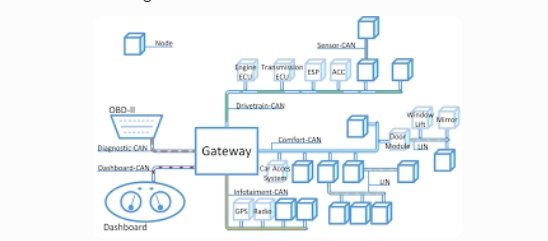
CAN Bus stands for Controller Area Network Bus. Think of it as the communication highway in your car. It lets different parts of the vehicle talk to each other quickly and reliably.

In simple terms, modern cars have many small computers called Electronic Control Units (ECUs). These handle things like the engine, brakes, and lights. Without CAN Bus, each part would need its own wires to connect, making the car heavy and complicated. Instead, CAN Bus uses just two wires to link everything up. One ECU can send a message, like “the wheels are spinning at 60 mph,” and others can pick it up if they need it.
Here’s how it works:
- Messages on the Bus: Data travels in short packets called frames. Each frame has an ID to show what’s inside, like speed or temperature info.
- No Boss Needed: Any ECU can send or receive without a main computer telling it what to do.
- Error Checking: It spots mistakes in messages and fixes them on the fly.
This setup makes cars lighter, safer, and easier to build. For example, in a truck, the speed sensor can tell the engine to slow down through CAN Bus.
What Is an ECU?
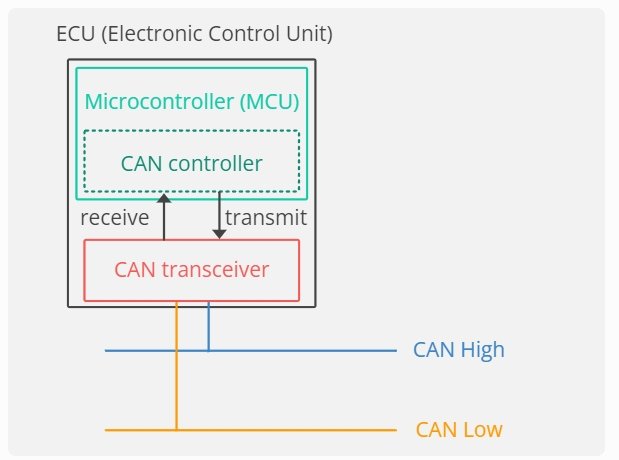
ECU means Electronic Control Unit. It’s like the brain for specific jobs in your car. There’s usually one main ECU for the engine, but cars can have dozens for different systems, like airbags or transmission.
An ECU takes info from sensors (like how fast you’re going or how much fuel is left), makes decisions, and sends commands. For instance, it might adjust the fuel mix to make the engine run better.
In relation to CAN Bus, the ECU uses it to share and get data from other units. Without this teamwork, features like automatic speed limiting wouldn’t work smoothly.
What Are Vehicle Speed Limiters?

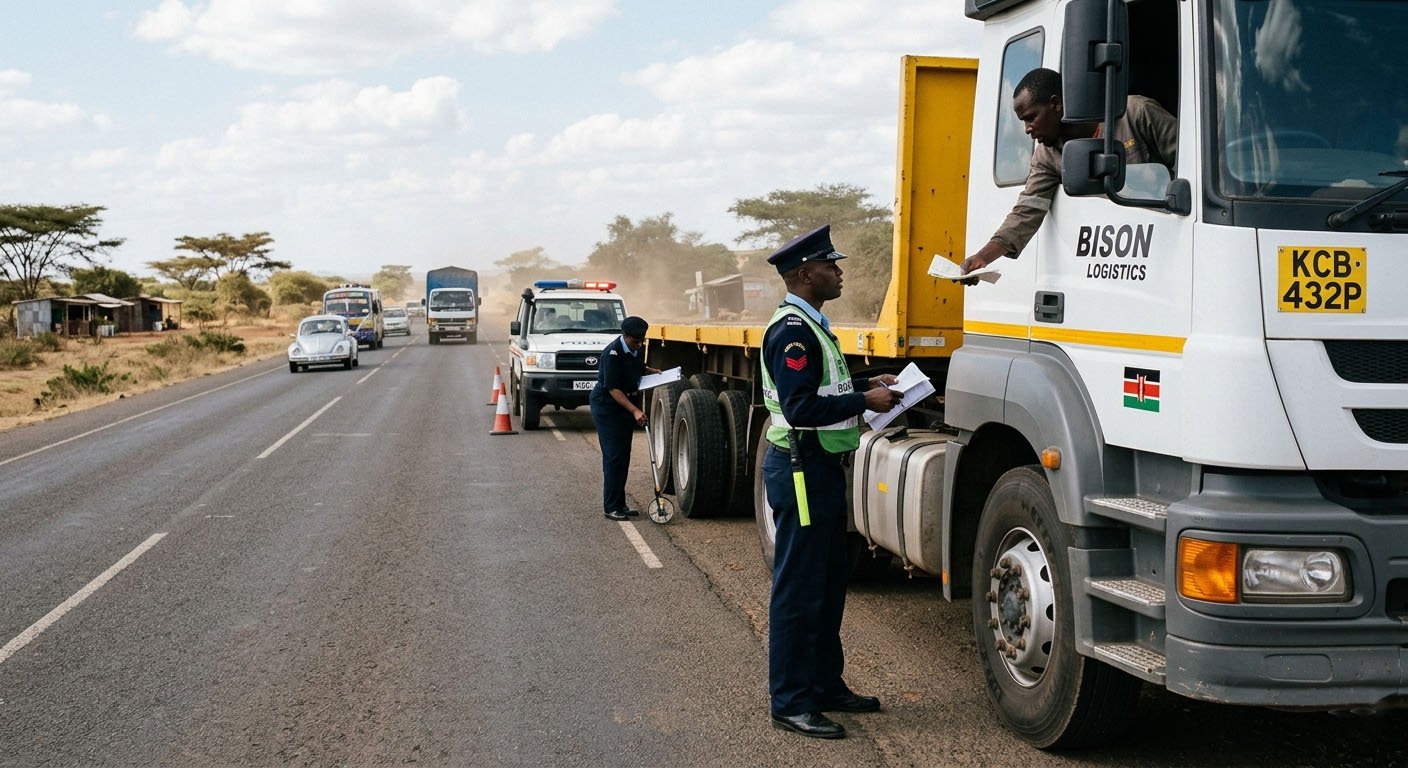
A vehicle speed limiter is a device or system that stops the car from going faster than a set speed. It’s common in trucks, buses, and company cars to promote safety, save fuel, and follow laws.
There are a few types:
- Throttle Limiters: They control how much you can press the gas pedal.
- Fuel Cut-Off Systems: They reduce fuel to the engine once you hit the limit.
- GPS-Based Limiters: These use location to adjust speed, like slowing down in school zones.
- ECU-Integrated Limiters: These tie directly into the car’s computer for precise control.
Speed limiters help prevent accidents, lower wear on the vehicle, and cut costs for fleets. In places like Dubai, they’re even required for some vehicles to boost road safety.
How CAN Bus and ECU Integrate with Speed Limiters
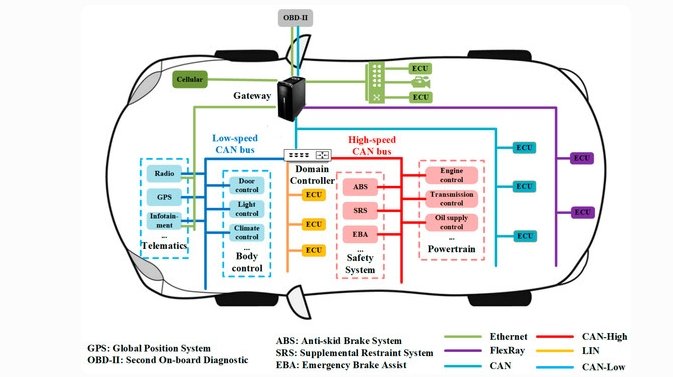
This is where it all comes together. The speed limiter connects to the CAN Bus, which links it to the ECU. Here’s a step-by-step look at how it works:
- Sensing Speed: Sensors on the wheels or transmission send speed data through CAN Bus to the ECU.
- Checking the Limit: The speed limiter (often built into or connected to the ECU) watches this data. If the speed hits the set limit, it sends a message via CAN Bus.
- Taking Action: The ECU gets the message and adjusts things like fuel flow, ignition timing, or throttle position to cap the speed. For example, it might tell the engine to use less fuel.
- Real-Time Feedback: Everything happens in real time, so the driver feels a smooth limit without jerking.
In modern setups, the limiter taps into the CAN Bus for accurate data from GPS or other systems. This integration makes it hard to tamper with and ensures it works with the car’s existing tech.
For installation, pros often use tools to read CAN Bus signals and program the ECU. It’s not a DIY job for most, as it needs special software to avoid messing up the car’s systems.
Benefits of This Integration
Linking CAN Bus, ECU, and speed limiters brings big wins:
- Safety First: Keeps speeds in check to reduce crashes.
- Fuel Savings: Driving slower means using less gas.
- Easy Adjustments: Fleet managers can change limits remotely via software.
- Better Monitoring: Track driver behavior through data logs on the CAN Bus.
- Compliance: Meets rules in many countries for commercial vehicles.
Studies show that speed limiters can cut accident rates by up to 20% in heavy vehicles.
Potential Challenges and Fixes
No system is perfect. Here are some issues:
- Tampering Risks: Some try to bypass limiters, but integrated systems make it tough.
- Compatibility: Not all older cars have CAN Bus, so upgrades might be needed.
- Error Detection: Faulty wiring can cause problems—regular checks help.
To fix these, use quality parts and get pros to install. Tools like CAN analyzers can test the setup.
Frequently Asked Questions
Can I Install a Speed Limiter Myself?
It’s possible if you’re handy with car electronics, but we recommend a mechanic. It involves wiring into CAN Bus and programming the ECU.
Do All Cars Have CAN Bus?
Most made after 2000 do, especially in the US and Europe. Check your model’s specs.
How Does This Affect Performance?
It only kicks in at the set speed, so normal driving feels the same.
Is It Legal to Remove a Speed Limiter?
In many places, no, especially for commercial vehicles. Always check local laws.
What If the System Fails?
Built-in error checks usually alert you, and the car might go into safe mode.
This setup is key to modern vehicle safety and efficiency. If you have more questions, drop a comment or check with a local auto expert. Drive safe!